6 min read
Living with Liver Disease: Daily Management and Coping Strategies
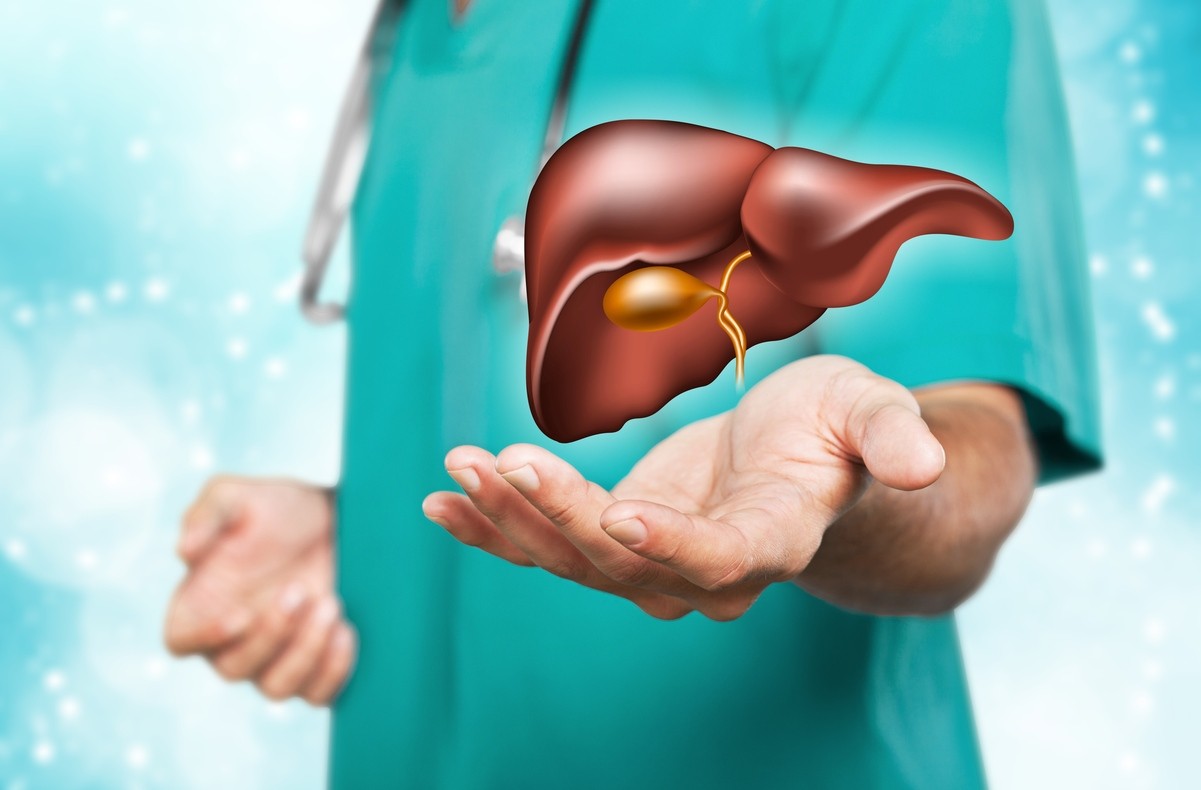
Whether facing conditions like hepatitis, cirrhosis, fatty liver disease, or others, individuals and their families navigate a range of challenges. In this section, we provide comprehensive insights into daily management strategies, effective coping mechanisms, and heartfelt personal stories shared by individuals who have confronted liver disease with courage and resilience.
Daily Management Strategies
Managing liver disease requires a holistic approach that integrates medical care, lifestyle adjustments, and emotional support:
Medical Care
Regular visits to healthcare providers for liver function tests, imaging, and medication management are crucial to monitor disease progression and adjust treatment plans as needed. Vaccination for self and families.
Nutritional Guidance
A balanced diet rich in nutrients supports liver health. This includes limiting sodium intake to manage fluid retention and incorporating foods that are gentle on the liver, such as fresh fruits, vegetables, lean proteins, and whole grains.
Physical Activity
Engaging in regular, moderate exercise tailored to individual capabilities can improve energy levels, promote cardiovascular health, and aid in maintaining a healthy weight.
Avoidance of Harmful Substances
Strict avoidance of alcohol and other substances that can exacerbate liver damage is essential for managing symptoms and preventing complications.
Coping Strategies
Emotional and psychological well-being is integral to living well with liver disease. Effective coping strategies include:
Seeking Support
Connecting with support groups, both online and in-person, provides a sense of community and understanding. Peer support can offer practical advice and emotional reassurance during challenging times.
Stress Management
Practicing relaxation techniques such as mindfulness, deep breathing exercises, or yoga helps reduce stress levels and promotes overall mental wellness.
Education and Advocacy
Taking an active role in understanding one's condition, treatment options, and potential challenges empowers individuals to advocate for their own health needs and engage more confidently in healthcare decisions.
Key Takeaways
Maintain regular medical follow-ups and monitoring
Follow a liver-friendly diet with proper nutrition
Stay physically active within your capabilities
Build a strong support network
Practice stress management techniques
Conclusion
Living with liver disease is a deeply personal experience marked by challenges and triumphs. By adopting proactive management strategies, embracing effective coping mechanisms, and drawing strength from shared experiences, individuals affected by liver disease can enhance their quality of life and find hope in each step forward.
